

Description
Curriculum
Instructor
- 10 Sections
- 201 Lessons
- 10 Weeks
Expand all sectionsCollapse all sections
- 1: SOLAR RADIATION PHYSICS & OPTICSObjective: Understand the physical nature of solar radiation, its measurement, modeling, and optical interaction with semiconductor materials26
- 1.1Module 1.1: Solar Structure and PhysicsCopyCopy
- 1.2Module 1.2: Solar Electromagnetic RadiationCopyCopy
- 1.3Module 1.3: Solar Geometry and AstronomyCopyCopy
- 1.4Module 1.4: Atmosphere-Radiation InteractionCopyCopy
- 1.5Deliverable: Calculate terrestrial solar spectrum for a given location using a simplified atmospheric modelCopyCopy
- 1.6Module 2.1: Solar Radiation MeasurementCopyCopy
- 1.7Module 2.2: Solar Resource Databases and ModelsCopyCopy
- 1.8Module 2.3: Solar Radiation StatisticsCopyCopy
- 1.9Module 2.4: Radiative Transfer ModelsCopyCopy
- 1.10Deliverable: Statistical analysis of radiation time series data and solar resource modeling for a specific siteCopyCopy
- 1.11Module 3.1: Geometric and Wave OpticsCopyCopy
- 1.12Module 3.2: Light-Semiconductor InteractionCopyCopy
- 1.13Module 3.3: Light Trapping TechniquesCopyCopy
- 1.14Module 3.4: Antireflection and Optical LayersCopyCopy
- 1.15Deliverable: Design of a multilayer antireflection structure and simulation of light trapping in silicon cellCopyCopy
- 1.16Module 4.1: Photovoltaic Conversion ThermodynamicsCopyCopy
- 1.17Module 4.2: Concepts for Single-Gap Limit ExceedanceCopyCopy
- 1.18Module 4.3: Unconventional OpticsCopyCopy
- 1.19Module 4.4: Energy Balance and TemperatureCopyCopy
- 1.20Deliverable: Calculate maximum theoretical efficiency for different bandgaps and analyze losses in real cellCopyCopy
- 1.21Module 5.1: Spectroradiometry and CalibrationCopyCopy
- 1.22Module 5.2: Advanced Characterization TechniquesCopyCopy
- 1.23Module 5.3: Spectral Response MeasurementsCopyCopy
- 1.24Module 5.4: International Standards and NormsCopyCopy
- 1.25Deliverable: Establish complete EQE measurement protocol with uncertainty analysis for given cell technologyCopyCopy
- 1.26QCM- 1CopyCopy0 Questions
- 2: SEMICONDUCTOR PHYSICSObjective: Master quantum, statistical, and transport physics of charge carriers in semiconductors for photovoltaic conversion26
- 2.1Module 6.1: Energy Band TheoryCopyCopy
- 2.2Module 6.2: Semiconductor StatisticsCopyCopy
- 2.3Module 6.3: Doped SemiconductorsCopyCopy
- 2.4Module 6.4: Heterostructures and AlloysCopyCopy
- 2.5Deliverable: Calculate simplified band structure and carrier concentrations for different doping levels and temperaturesCopyCopy
- 2.6Module 7.1: Diffusion and Drift MechanismsCopyCopy
- 2.7Module 7.2: Carrier Scattering MechanismsCopyCopy
- 2.8Module 7.3: Carrier Generation and RecombinationCopyCopy
- 2.9Module 7.4: Excess Carriers and Transient PhenomenaCopyCopy
- 2.10Deliverable: Model carrier transport in solar cell base with calculation of diffusion and drift currentsCopyCopy
- 2.11Module 8.1: Thermodynamic Equilibrium of PN JunctionCopyCopy
- 2.12Module 8.2: PN Junction Out of EquilibriumCopyCopy
- 2.13Module 8.3: Heterojunctions and ContactsCopyCopy
- 2.14Module 8.4: Advanced Junction StructuresCopyCopy
- 2.15Deliverable: Complete calculation of J-V characteristics for ideal PN junction and analysis of current-limiting mechanismsCopyCopy
- 2.16Module 9.1: Surface States and TrappingCopyCopy
- 2.17Module 9.2: Surface Field EffectCopyCopy
- 2.18Module 9.3: Metal-Semiconductor and MOS InterfacesCopyCopy
- 2.19Module 9.4: Advanced Passivation and ConceptsCopyCopy
- 2.20Deliverable: Comparative analysis of surface passivation mechanisms for different cell technologies and surface recombination velocity optimizationCopyCopy
- 2.21Module 10.1: Perovskites and Hybrid MaterialsCopyCopy
- 2.22Module 10.2: Organic SemiconductorsCopyCopy
- 2.23Module 10.3: 2D and Emerging MaterialsCopyCopy
- 2.24Module 10.4: Advanced Transport ConceptsCopyCopy
- 2.25Deliverable: Critical evaluation of transport and recombination properties in emerging materials (perovskites, organics) vs crystalline siliconCopyCopy
- 2.26QCM- 2CopyCopy0 Questions
- 3: CRYSTALLINE SILICON CELL TECHNOLOGYObjective: Master manufacturing processes, device engineering, and optimization of crystalline silicon cells26
- 3.1Module 11.1: Solar Grade Silicon MetallurgyCopyCopy
- 3.2Module 11.2: Czochralski (CZ) Monocrystalline GrowthCopyCopy
- 3.3Module 11.3: Multicrystalline (mc-Si) GrowthCopyCopy
- 3.4Module 11.4: Wafer Cutting and PreparationCopyCopy
- 3.5Deliverable: Analysis of crystalline defects and their impact on minority carrier lifetime in different silicon substrate typesCopyCopy
- 3.6Module 12.1: Chemical Surface TexturingCopyCopy
- 3.7Module 12.2: Cleaning and Surface PreparationCopyCopy
- 3.8Module 12.3: Dopant DiffusionCopyCopy
- 3.9Module 12.4: Diffusion Control and CharacterizationCopyCopy
- 3.10Deliverable: Optimize diffusion process to achieve target doping profile with target Rs and controlled junction depthCopyCopy
- 3.11Module 13.1: Thermal Oxidation and PassivationCopyCopy
- 3.12Module 13.2: Advanced Passivation TechniquesCopyCopy
- 3.13Module 13.3: Screen Printing MetallizationCopyCopy
- 3.14Module 13.4: Advanced Metallization and AlternativesCopyCopy
- 3.15Deliverable: Design passivation and metallization stack to minimize recombination and series resistance lossesCopyCopy
- 3.16Module 14.1: PERC Cells (Passivated Emitter and Rear Cell)CopyCopy
- 3.17Module 14.2: TOPCon Cells (Tunnel Oxide Passivated Contact)CopyCopy
- 3.18Module 14.3: HJT Cells (Heterojunction)CopyCopy
- 3.19Module 14.4: Back Contact Cells (IBC, MWT)CopyCopy
- 3.20Deliverable: Techno-economic comparison of advanced cell architectures and technology roadmapCopyCopy
- 3.21Module 15.1: J-V Measurements Under IlluminationCopyCopy
- 3.22Module 15.2: Advanced Characterization TechniquesCopyCopy
- 3.23Module 15.3: Loss Analysis and LimitsCopyCopy
- 3.24Module 15.4: Stability and AgingCopyCopy
- 3.25Deliverable: Complete loss analysis of commercial cell and improvement levers proposal with potential gain estimationCopyCopy
- 3.26QCM- 3CopyCopy0 Questions
- 4: THIN-FILM & EMERGING TECHNOLOGIES26
- 4.1Module 16.1: CdTe Properties and Band StructureCopyCopy
- 4.2Module 16.2: CdTe Deposition ProcessesCopyCopy
- 4.3Module 16.3: Post-Deposition Treatments and ContactsCopyCopy
- 4.4Module 16.4: Performance and IndustrializationCopyCopy
- 4.5Deliverable: Analysis of recombination mechanisms in CdTe cells and absorber thickness optimizationCopyCopy
- 4.6Module 17.1: Hydrogenated Amorphous Silicon (a-Si:H)CopyCopy
- 4.7Module 17.2: Microcrystalline Silicon (μc-Si:H, nc-Si:H)CopyCopy
- 4.8Module 17.3: PECVD Deposition ProcessesCopyCopy
- 4.9Module 17.4: Tandem and Multi-Junction CellsCopyCopy
- 4.10Deliverable: Simulation of a-Si:H/μc-Si:H tandem cell with thickness optimization for current matchingCopyCopy
- 4.11Module 18.1: Perovskite Chemistry and CrystallographyCopyCopy
- 4.12Module 18.2: Manufacturing ProcessesCopyCopy
- 4.13Module 18.3: Device Physics and PerformanceCopyCopy
- 4.14Module 18.4: Stability and Lead-Free MaterialsCopyCopy
- 4.15Deliverable: Analysis of degradation mechanisms and encapsulation strategy proposal for 25-year lifetime assuranceCopyCopy
- 4.16Module 19.1: Organic Photovoltaics (OPV)CopyCopy
- 4.17Module 19.2: Dye-Sensitized Solar Cells (DSSC)CopyCopy
- 4.18Module 19.3: Quantum Dot and Nanostructure CellsCopyCopy
- 4.19Module 19.4: Emerging Concepts and New ApproachesCopyCopy
- 4.20Deliverable: Comparative evaluation of emerging technologies by efficiency, stability, cost, and applicability criteriaCopyCopy
- 4.21Module 20.1: Technology Comparative AnalysisCopyCopy
- 4.22Module 20.2: Materials Selection and EngineeringCopyCopy
- 4.23Module 20.3: System Integration and Specific ApplicationsCopyCopy
- 4.24Module 20.4: Technology Roadmap and ProspectsCopyCopy
- 4.25Deliverable: Multi-criteria decision matrix for PV technology selection according to application context (utility, residential, BIPV, space)CopyCopy
- 4.26QCM- 4CopyCopy0 Questions
- 5: ELECTRICAL MODELING OF PV GENERATORSObjective: Develop mathematical, electrical, and numerical models for simulation and optimization of PV generators26
- 5.1Module 21.1: One-Diode ModelCopyCopy
- 5.2Module 21.2: Two-Diode ModelCopyCopy
- 5.3Module 21.3: Advanced Models and Secondary EffectsCopyCopy
- 5.4Module 21.4: Parameter Extraction and FittingCopyCopy
- 5.5Deliverable: Complete extraction of 5 one-diode model parameters from experimental J-V curve and model validationCopyCopy
- 5.6Module 22.1: Cell Series and Parallel AssociationCopyCopy
- 5.7Module 22.2: Module Electrical ModelsCopyCopy
- 5.8Module 22.3: Shading and Mismatch EffectsCopyCopy
- 5.9Module 22.4: Module Characterization and MeasurementsCopyCopy
- 5.10Deliverable: Simulation of module under partial shading with loss analysis and bypass diode placement optimizationCopyCopy
- 5.11Module 23.1: I-V Translation ModelsCopyCopy
- 5.12Module 23.2: Cell Temperature ModelsCopyCopy
- 5.13Module 23.3: Energy Performance ModelsCopyCopy
- 5.14Module 23.4: Energy Production SimulationCopyCopy
- 5.15Deliverable: Energy performance model for specific module with annual production estimation for given siteCopyCopy
- 5.16Module 24.1: Device SimulationCopyCopy
- 5.17Module 24.2: 2D/3D Modeling and Edge EffectsCopyCopy
- 5.18Module 24.3: PV System ModelingCopyCopy
- 5.19Module 24.4: Optimization and Machine LearningCopyCopy
- 5.20Deliverable: TCAD simulation of solar cell with band, concentration, and current profile analysis, comparison with analytical modelCopyCopy
- 5.21Module 25.1: Electrical Loss DecompositionCopyCopy
- 5.22Module 25.2: System Loss AnalysisCopyCopy
- 5.23Module 25.3: Optimization MethodsCopyCopy
- 5.24Module 25.4: Monitoring and Performance AnalysisCopyCopy
- 5.25Deliverable: Complete loss analysis of real PV installation with corrective action proposals and gain estimationCopyCopy
- 5.26QCM- 5CopyCopy0 Questions
- 6: MODULE PHYSICS AND ENCAPSULATIONObjective: Understand module engineering, encapsulation materials, reliability, and degradation mechanisms26
- 6.1Module 26.1: Module Structure and ComponentsCopyCopy
- 6.2Module 26.2: Module Electrical DesignCopyCopy
- 6.3Module 26.3: Frameless and Integration ModulesCopyCopy
- 6.4Module 26.4: Module Standards and CertificationCopyCopy
- 6.5Deliverable: Detailed design of bifacial glass-glass module with thermomechanical stress calculation and interconnector optimizationCopyCopy
- 6.6Module 27.1: Encapsulation PolymersCopyCopy
- 6.7Module 27.2: Encapsulant Optical PropertiesCopyCopy
- 6.8Module 27.3: Adhesion and Mechanical DurabilityCopyCopy
- 6.9Module 27.4: Backsheets and SubstratesCopyCopy
- 6.10Deliverable: Selection and justification of encapsulation materials for module destined for specific environment (desert, tropical, maritime)CopyCopy
- 6.11Module 28.1: Cell Degradation MechanismsCopyCopy
- 6.12Module 28.2: Encapsulant and Interface FailuresCopyCopy
- 6.13Module 28.3: Electrical and Mechanical FailuresCopyCopy
- 6.14Module 28.4: Accelerated Reliability TestingCopyCopy
- 6.15Deliverable: Analysis of potential failure modes for module and definition of accelerated qualification test planCopyCopy
- 6.16Module 29.1: Thermomechanical Stresses in ModulesCopyCopy
- 6.17Module 29.2: Mechanical Behavior Under LoadCopyCopy
- 6.18Module 29.3: Design for Reliability (DfR)CopyCopy
- 6.19Module 29.4: Recycling and End of LifeCopyCopy
- 6.20Deliverable: Thermomechanical simulation of module with maximum stress analysis and structural improvement proposalsCopyCopy
- 6.21Module 30.1: Encapsulation for Tandem and Emerging CellsCopyCopy
- 6.22Module 30.2: Advanced Bifacial ModulesCopyCopy
- 6.23Module 30.3: Agrivoltaic and Floating ModulesCopyCopy
- 6.24Module 30.4: Next-Generation ModulesCopyCopy
- 6.25Deliverable: Design of bifacial module for agrivoltaic application with production gain estimation and crop impact analysisCopyCopy
- 6.26QCM- 6CopyCopy0 Questions
- 7: POWER ELECTRONICS FOR PHOTOVOLTAICSObjective: Master static converters, inverters, and power electronics dedicated to PV systems26
- 7.1Module 31.1: Power Semiconductor ComponentsCopyCopy
- 7.2Module 31.2: Wide Bandgap (WBG) ComponentsCopyCopy
- 7.3Module 31.3: Magnetic Circuits and CapacitorsCopyCopy
- 7.4Module 31.4: Cooling and Thermal ManagementCopyCopy
- 7.5Deliverable: Selection and sizing of semiconductor and passive components for specific PV converter with loss and cooling calculationsCopyCopy
- 7.6Module 32.1: Fundamental Choppers (DC-DC Converters)CopyCopy
- 7.7Module 32.2: Converters for Maximum Power Point Tracking (MPPT)CopyCopy
- 7.8Module 32.3: Conversion ArchitecturesCopyCopy
- 7.9Module 32.4: Efficiency and OptimizationCopyCopy
- 7.10Deliverable: Design of Boost converter for MPPT with component calculations, efficiency estimation, and operation simulationCopyCopy
- 7.11Module 33.1: Inverter PrinciplesCopyCopy
- 7.12Module 33.2: Control and Grid ConnectionCopyCopy
- 7.13Module 33.3: Power Quality and HarmonicsCopyCopy
- 7.14Module 33.4: Protection and SafetyCopyCopy
- 7.15Deliverable: Design of single-phase inverter control system with PWM modulation simulation and harmonic analysisCopyCopy
- 7.16Module 34.1: Multilevel InvertersCopyCopy
- 7.17Module 34.2: Transformerless InvertersCopyCopy
- 7.18Module 34.3: Storage and Hybrid InvertersCopyCopy
- 7.19Module 34.4: Trends and New ArchitecturesCopyCopy
- 7.20Deliverable: Comparison of transformerless inverter topologies with leakage current analysis and solution proposal for residential buildingCopyCopy
- 7.21Module 35.1: Classical MPPT AlgorithmsCopyCopy
- 7.22Module 35.2: Advanced MPPT and OptimizationsCopyCopy
- 7.23Module 35.3: Grid Constraint ManagementCopyCopy
- 7.24Module 35.4: Inverter Monitoring and DiagnosticsCopyCopy
- 7.25Deliverable: Implementation of IncCond MPPT algorithm with partial shading condition management and simulation validationCopyCopy
- 7.26QCM- 7CopyCopy
- 8: DC AND AC CABLING & ELECTRICAL PROTECTIONObjective: Size and secure DC and AC electrical networks for PV installations according to international standards26
- 8.1Module 36.1: PV DC CablesCopyCopy
- 8.2Module 36.2: DC Circuit SizingCopyCopy
- 8.3Module 36.3: Junction Boxes and DC ProtectionCopyCopy
- 8.4Module 36.4: DC Cable Design and InstallationCopyCopy
- 8.5Deliverable: Complete DC cabling sizing for 1 MWp PV plant with cross-section calculations, protection, and loss estimationCopyCopy
- 8.6Module 37.1: DC Overcurrent ProtectionCopyCopy
- 8.7Module 37.2: Overvoltage ProtectionCopyCopy
- 8.8Module 37.3: Arc Fault Detection (AFCI)CopyCopy
- 8.9Module 37.4: Grounding and Equipotential BondingCopyCopy
- 8.10Deliverable: Design of complete DC electrical protection system for residential installation with protection selectivity and surge arrester coordinationCopyCopy
- 8.11Module 38.1: AC Cabling and SizingCopyCopy
- 8.12Module 38.2: Delivery Points and MeteringCopyCopy
- 8.13Module 38.3: Transformers and Delivery SubstationsCopyCopy
- 8.14Module 38.4: Power Quality and DisturbancesCopyCopy
- 8.15Deliverable: Sizing of AC connection for 5 MWp plant with MV/LV transformer and power quality analysisCopyCopy
- 8.16Module 39.1: IEC Standards for PhotovoltaicsCopyCopy
- 8.17Module 39.2: American and Other Regional StandardsCopyCopy
- 8.18Module 39.3: Building and Fire CodesCopyCopy
- 8.19Module 39.4: Documentation and ComplianceCopyCopy
- 8.20Deliverable: Establishment of compliance checklist for international PV installation with reference to applicable standardsCopyCopy
- 8.21Module 40.1: Electrical Risks in PV InstallationsCopyCopy
- 8.22Module 40.2: Safety Devices and DisconnectionCopyCopy
- 8.23Module 40.3: Personnel ProtectionCopyCopy
- 8.24Module 40.4: Fire Safety and AccessCopyCopy
- 8.25Deliverable: Development of electrical safety plan for large PV plant with emergency intervention procedures and protection equipmentCopyCopy
- 8.26QCM- 8CopyCopy0 Questions
- 9: MECHANICAL STRUCTURES AND BUILDING INTEGRATIONObjective: Design support structures, mounting systems, and architectural integration of PV systems26
- 9.1Module 41.1: Actions on StructuresCopyCopy
- 9.2Module 41.2: Steel Structure CalculationCopyCopy
- 9.3Module 41.3: Ground-Mounted StructuresCopyCopy
- 9.4Module 41.4: Roof-Mounted StructuresCopyCopy
- 9.5Deliverable: Structure calculation for ground-mounted PV field with ULS and SLS verification under wind and snow loads per EurocodesCopyCopy
- 9.6Module 42.1: Profiles and Mounting RailsCopyCopy
- 9.7Module 42.2: Fixing on Metal RoofsCopyCopy
- 9.8Module 42.3: Fixing on Tile and Slate RoofsCopyCopy
- 9.9Module 42.4: Special Fixing SystemsCopyCopy
- 9.10Deliverable: Detailed design of fixing system for tile roof with principle diagram and material listCopyCopy
- 9.11Module 43.1: Tracker Principles and TypesCopyCopy
- 9.12Module 43.2: Tracker Mechanics and DriveCopyCopy
- 9.13Module 43.3: Tracker Control and Power SupplyCopyCopy
- 9.14Module 43.4: Optimization and MaintenanceCopyCopy
- 9.15Deliverable: Calculation of annual energy gain for horizontal single-axis tracker for given location with backtracking optimizationCopyCopy
- 9.16Module 44.1: BIPV Concepts and AdvantagesCopyCopy
- 9.17Module 44.2: BIPV Roof ElementsCopyCopy
- 9.18Module 44.3: BIPV Facade and Glazing ElementsCopyCopy
- 9.19Module 44.4: BIPV Design and StandardsCopyCopy
- 9.20Deliverable: Design of BIPV facade with thermal and energy performance calculations, adapted module selectionCopyCopy
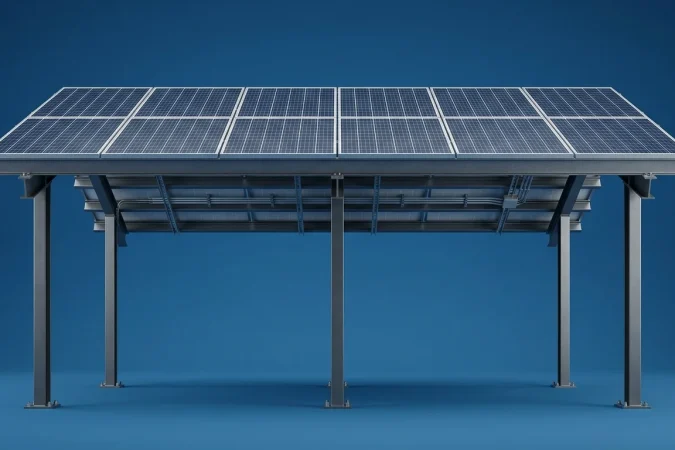
- 9.21Module 45.1: Agrivoltaics PrinciplesCopyCopy
- 9.22Module 45.2: Agrivoltaic System DesignCopyCopy
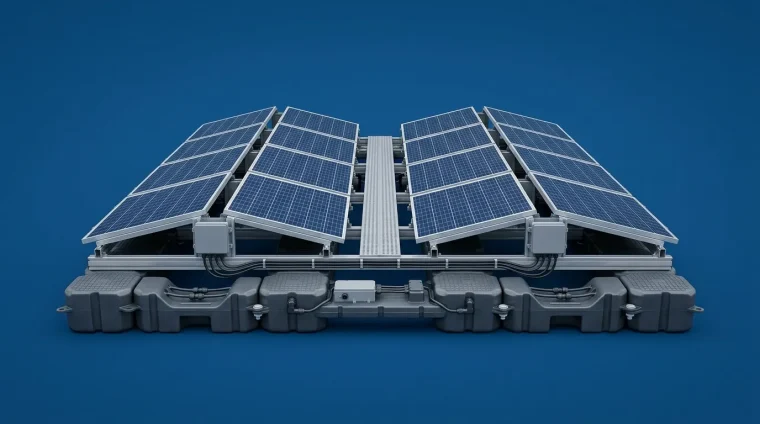
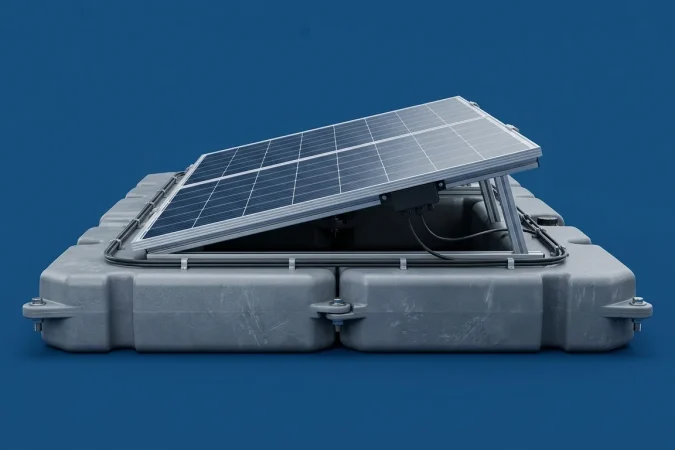
- 9.23Module 45.3: Floating Applications (FPV)CopyCopy
- 9.24Module 45.4: Other Integrated ApplicationsCopyCopy
- 9.25Deliverable: Feasibility study of agrivoltaic project with agricultural, energy, and economic impact analysisCopyCopy
- 9.26QCM- 9CopyCopy0 Questions
- 10: SYSTEM INTEGRATION AND GLOBAL OPTIMIZATIONObjective: Synthesize all knowledge for systemic optimization of PV installations26
- 10.1Module 46.1: Sizing MethodsCopyCopy
- 10.2Module 46.2: Conversion Ratio OptimizationCopyCopy
- 10.3Module 46.3: Layout OptimizationCopyCopy
- 10.4Module 46.4: Sensitivity and Uncertainty AnalysisCopyCopy
- 10.5Deliverable: Optimized sizing of 10 MWp PV plant with LCOE sensitivity analysis to main parametersCopyCopy
- 10.6Module 47.1: Cost Analysis (CAPEX)CopyCopy
- 10.7Module 47.2: Revenue and OPEX AnalysisCopyCopy
- 10.8Module 47.3: Economic IndicatorsCopyCopy
- 10.9Module 47.4: Financing and Business ModelsCopyCopy
- 10.10Deliverable: Complete business plan for residential PV project and large PV plant with LCOE and profitability calculationCopyCopy
- 10.11Module 48.1: Electrochemical Storage TechnologiesCopyCopy
- 10.12Module 48.2: Storage Strategies and Energy ManagementCopyCopy
- 10.13Module 48.3: Electrical Grid IntegrationCopyCopy
- 10.14Module 48.4: Microgrids and Off-Grid SitesCopyCopy
- 10.15Deliverable: Design of hybrid PV + battery + grid system for self-consumption maximization with optimized control strategyCopyCopy
- 10.16Module 49.1: Quality Assurance in Construction PhaseCopyCopy
- 10.17Module 49.2: Monitoring and Surveillance SystemsCopyCopy
- 10.18Module 49.3: Preventive and Corrective MaintenanceCopyCopy
- 10.19Module 49.4: Recycling and End of LifeCopyCopy
- 10.20Deliverable: Establishment of preventive maintenance plan for 50 KWp PV plant with intervention frequencies and cost estimationCopyCopy
- 10.21Module 50.1: Fundamental Knowledge IntegrationCopyCopy
- 10.22Module 50.2: Trends and InnovationsCopyCopy
- 10.23Module 50.3: Environmental and Societal ChallengesCopyCopy
- 10.24Module 50.4: Assessment and CertificationCopyCopy
- 10.25Final Deliverable: Personal synthesis memoir integrating all studied concepts, proposal for innovative PV installation, and professional application roadmapCopyCopy
- 10.26QCM- 10CopyCopy0 Questions
megatraining.africa


0 Students152 Cours